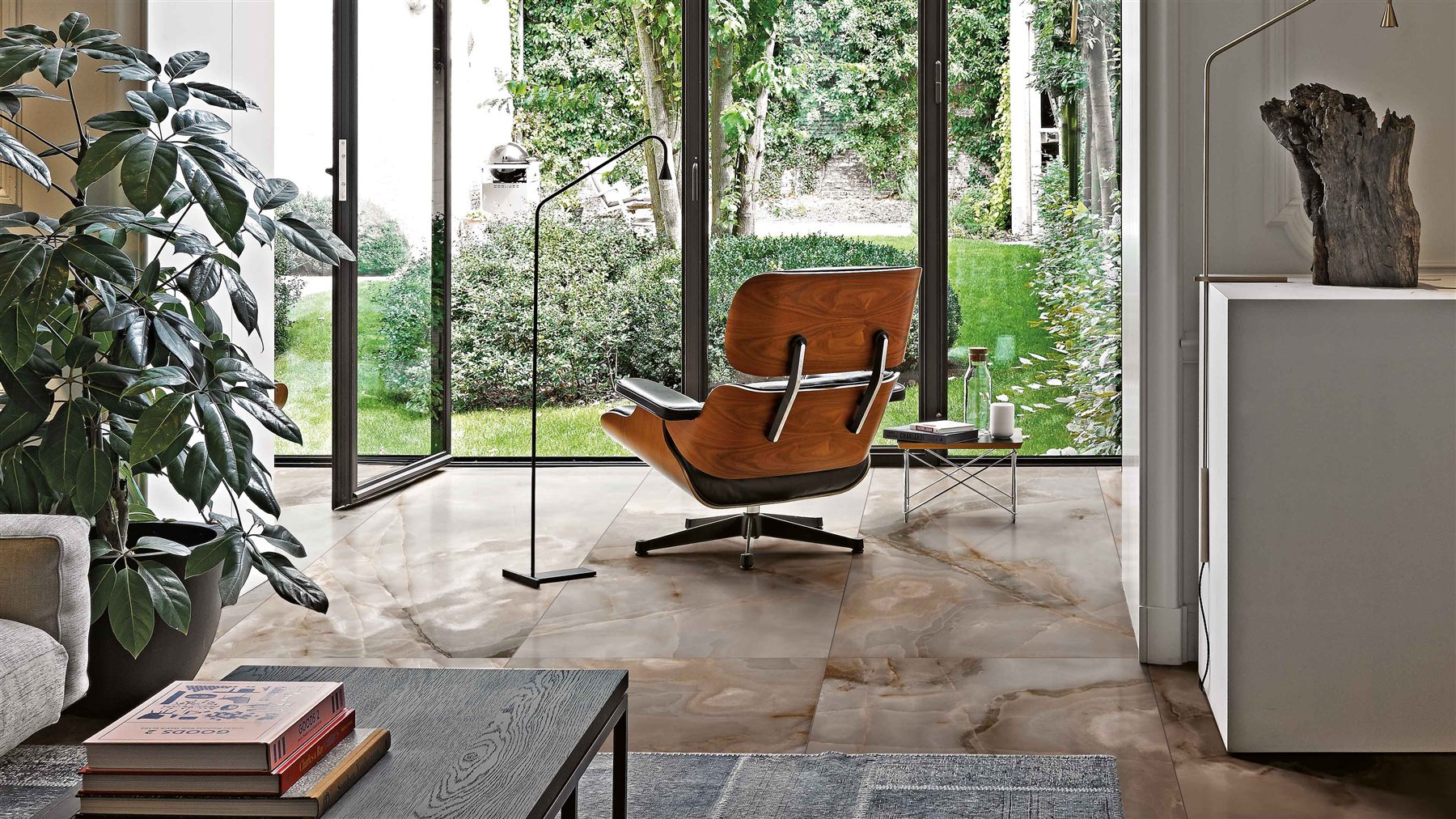
Brown and gold marble
Cognac, caramel, tobacco and gold. Brown marble has the warmth of a library by evening light: rich, deep and inviting.
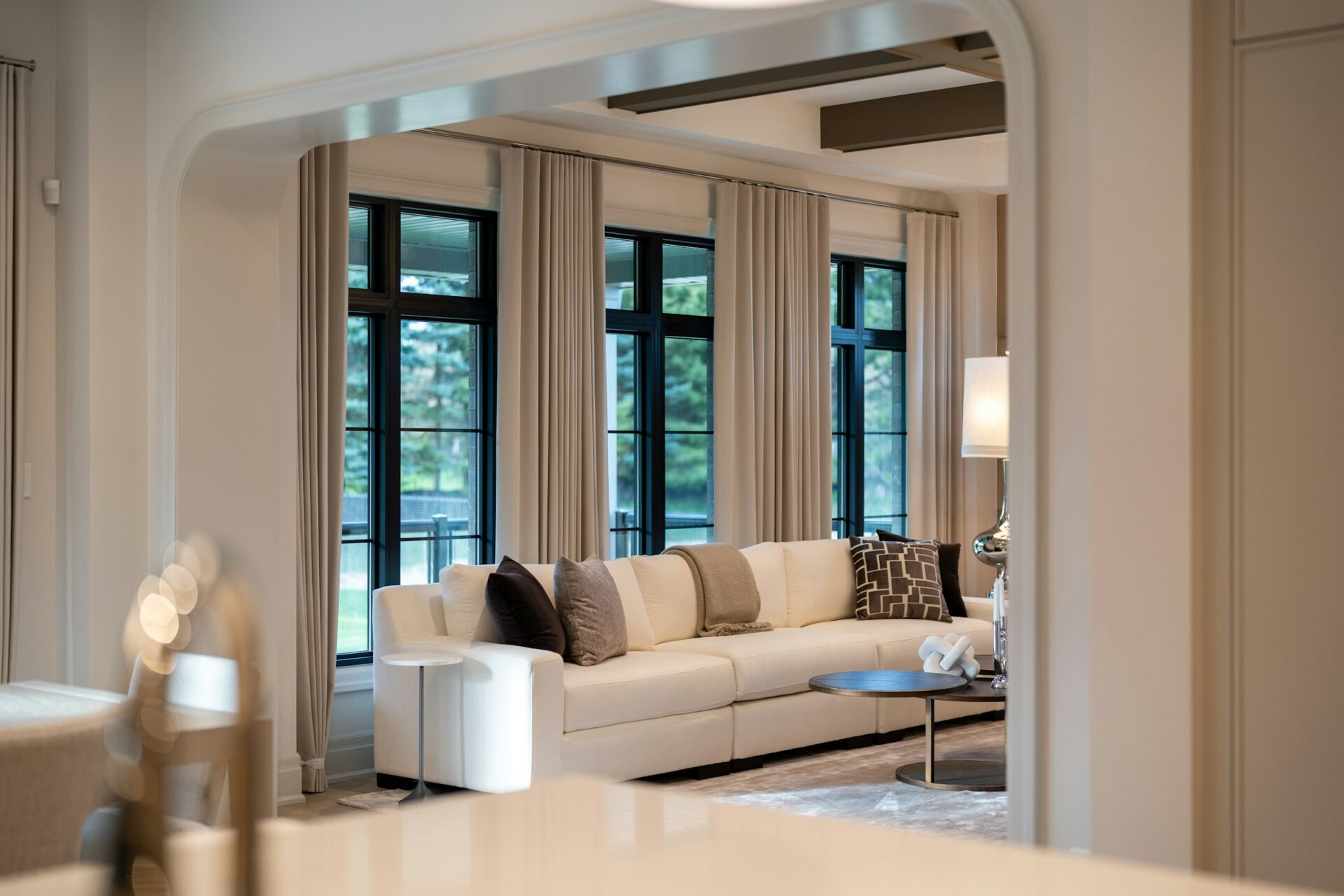
Brown and golden marbles
From even chocolate brown to broken, breccia-like patterns with gold and ochre tones. With these stones, each slab differs markedly from the next.
Bronzo Venato
Brown & gold · MarbleBruno Onda
Brown & gold · MarbleEmperador Dark
Brown & gold · MarblePalissandro
Brown & gold · MarbleOnice Marrone
Brown & gold · Marble
Natural stone: colour and veining vary from block to block and from slab to slab.

Warmth with allure
Brown and gold marble belongs in places where people gather and linger: a bar, a dining table, a fireplace, a lounge. The stone gives a space a warm glow, especially in combination with dimmed, low light.
Combine with cognac leather, walnut, bouclé and velvet in ochre or olive. Brass and bronze echo the golden tones in the stone. A calm base of cream, sand or warm white lets the veining breathe and keeps the whole from becoming too heavy.
- Fireplace surrounds and feature walls
- Dining and coffee tables
- Bars and counters in hospitality
- Worktops and kitchen islands
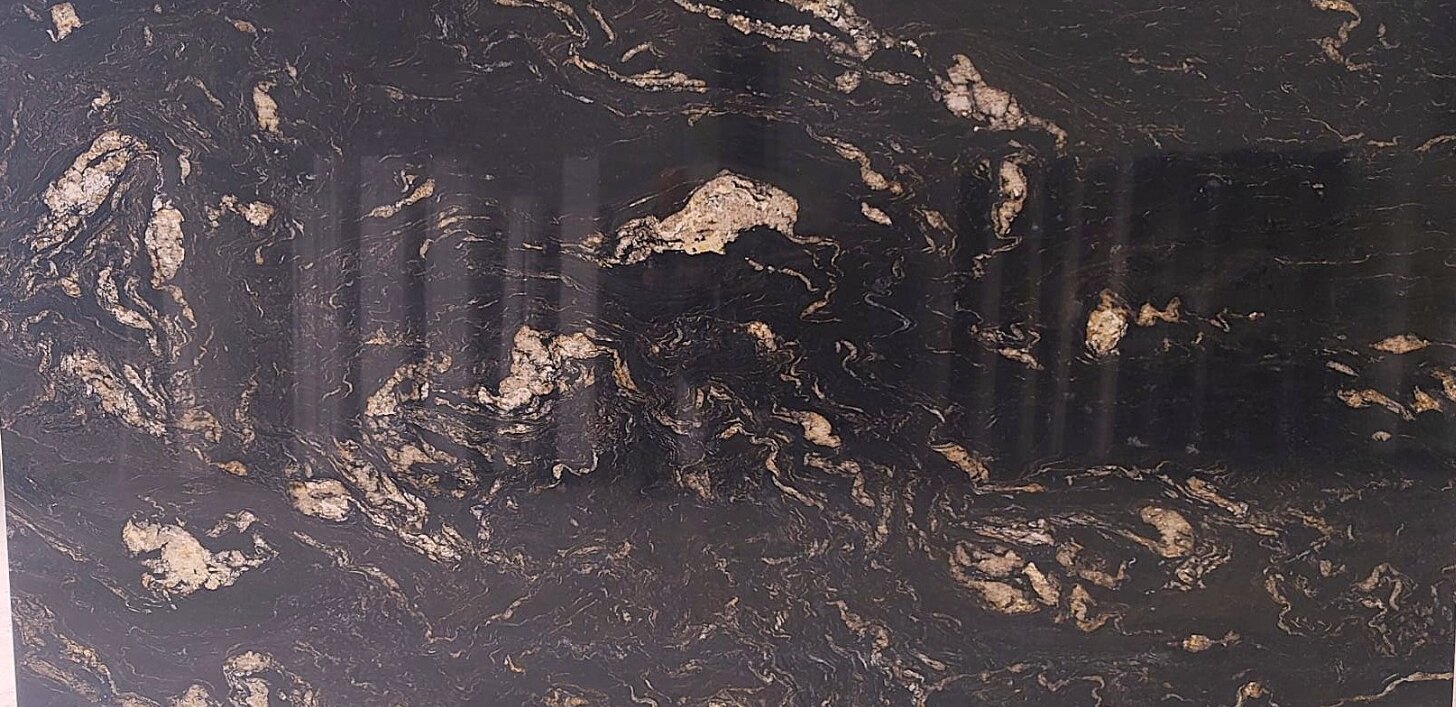
Brown marble and the power of breccia
Many brown and golden marbles have a breccia character. The rock was once broken into fragments and then cemented together again by natural minerals. The result is a lively composition of areas in chocolate, caramel and ochre, set within golden or white veins.
That pattern calls for scale. On a large slab, as a table top or wall, you see the composition as a whole, and calm emerges within the movement. In small tiles the same stone becomes restless, because the pattern breaks up into separate fragments.
Breccia also lends itself particularly well to bookmatching. Two mirrored slabs together form a symmetrical image that is almost graphic, beautiful on a fireplace wall or behind a bar. Because the veining differs strongly from slab to slab, slab selection is essential here. During a slab selection by appointment, you choose the slabs that produce the image you have in mind.
Warmth, light and care
Brown and gold marble comes most beautifully to life in warm, layered light. A few low light sources, a wall lamp grazing the stone, a candle on the table: the golden tones begin to glow and the dark areas gain depth. Harsh, cool light from above makes the same stone flatter and sometimes even drab.
A polished finish heightens that glow, because the surface reflects light. A leathered finish holds on to the warmth but looks more restrained, and is more practical on tops that are touched often.
In terms of care, brown marble is no different from other marbles. It is calcareous and reacts to acids, so impregnation, coasters and mild cleaners are the basis here too. The advantage of the warm, mixed tone is that small etch marks and signs of use catch the eye less than on even black or white. Here, patina adds to the character rather than detracting from it.
Questions about brown marble
Is brown marble suitable for hospitality?
Yes, provided the finish and care suit the use. A bar or table in hospitality has to contend with wine, citrus and cleaning products. Preferably choose a honed or leathered finish, which makes etch marks less visible, and agree on a fixed maintenance routine. Patina is part of it and, over time, is precisely what gives a bar its character.
Where do the golden tones in the stone come from?
The warm yellow, ochre and gold tones arise from iron-bearing minerals absorbed during the formation of the stone. How those minerals are distributed determines whether you see an even glow or sharp golden lines. It is not real gold, then, but a natural colouring that differs from slab to slab.
Can brown marble also look light and contemporary?
Certainly. Combined with white plaster, pale oak and plenty of daylight, brown marble takes on a fresh, contemporary look. Choose a honed finish and crisp detailing, and use the stone on one clearly defined element. Brown then becomes a warm anchor in a light space rather than a dark mass.
Does brown marble suit a wooden floor?
Yes, as long as they do not compete. A brown marble table on a dark wooden floor can become heavy; in that case choose a lighter floor or a rug as a buffer. On pale oak or a honed limestone floor, brown marble is given all the room it needs. With a herringbone floor in warm walnut, a calm, even brown stone works best.

Gold you can touch
Request samples of brown and gold marble, or discuss your project with us: from dining table to bar.