Limestone for garden and terrace
A limestone patio feels like an extension of your interior: calm, natural and made to measure, from paving to steps and pool edge.
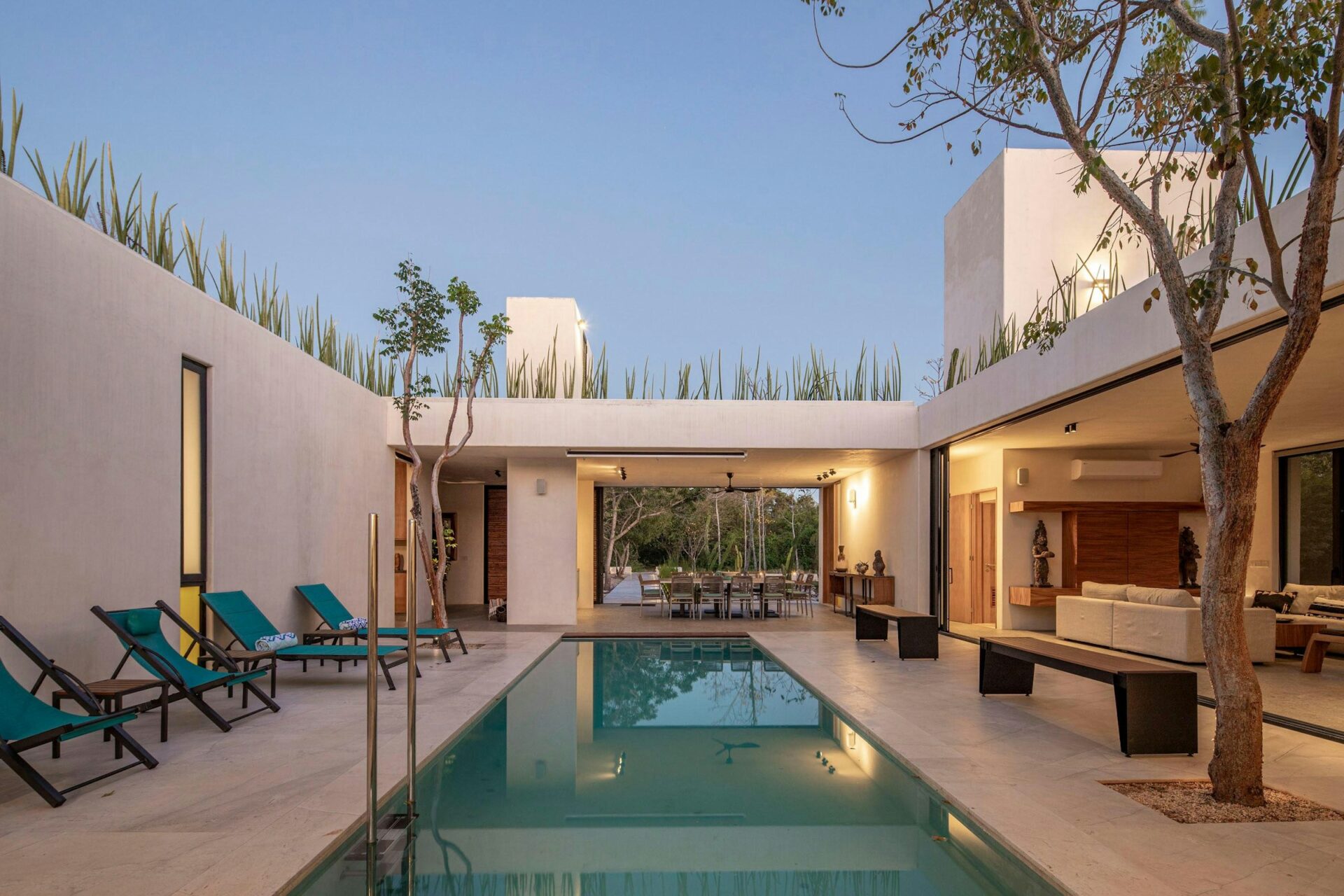
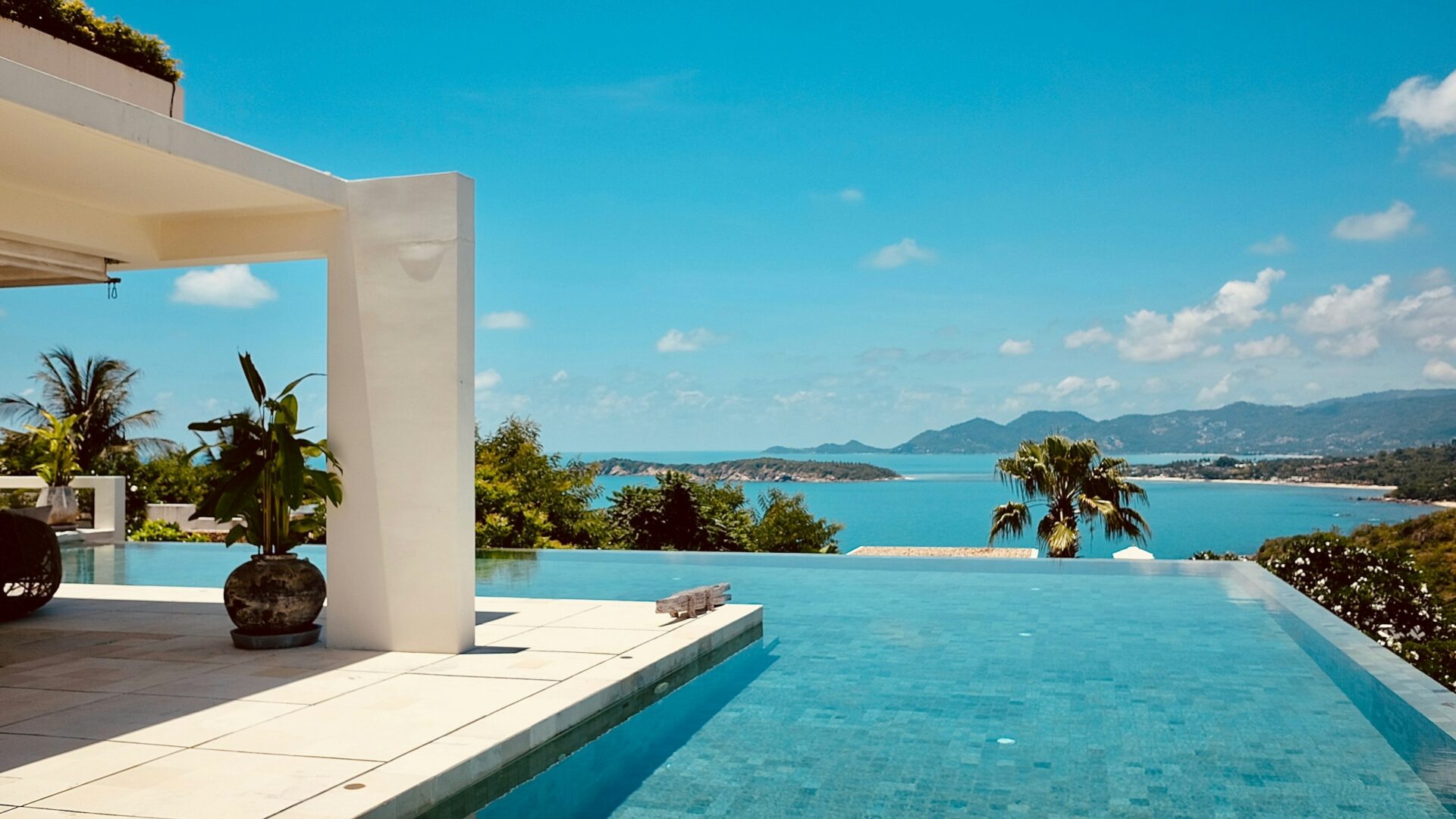
A terrace is not a floor you only see, but one you feel: barefoot, in the sun, on a long summer evening.
From terrace to wall coping
Every element in the same limestone, so that garden, steps and terrace form a single whole.
- 01
Terrace paving
In the stone and finish that suit your garden and its use. Cut to size for a crisp laying pattern or a relaxed random pattern.
- 02
Steps
Solid treads or cladding for existing steps, with a slip-resistant finish and a nosing matched to the architecture.
- 03
Wall copings
Copings for garden walls and planters, with a fall and drip groove, so that rainwater runs off the wall rather than down it.
- 04
Pool surrounds
Edges and surrounds around the water, with a finish that offers grip even when wet and feels pleasant under bare feet.
- 05
Bespoke to drawing
Sills, plinths, seating elements or special shapes: we make the pieces to measure from your garden design.

Around the water
A limestone pool surround gives the water a natural frame. Choose a textured finish, such as flamed and brushed or aged, so that the edge offers grip even when wet and feels soft under bare feet.
Light tones generally stay cooler to the touch in the sun than dark stone. With a saltwater or chlorinated pool, bear in mind the effect of the pool water on natural stone: discuss stone, impregnation and care in advance with us and with your pool builder.
Grip without compromise
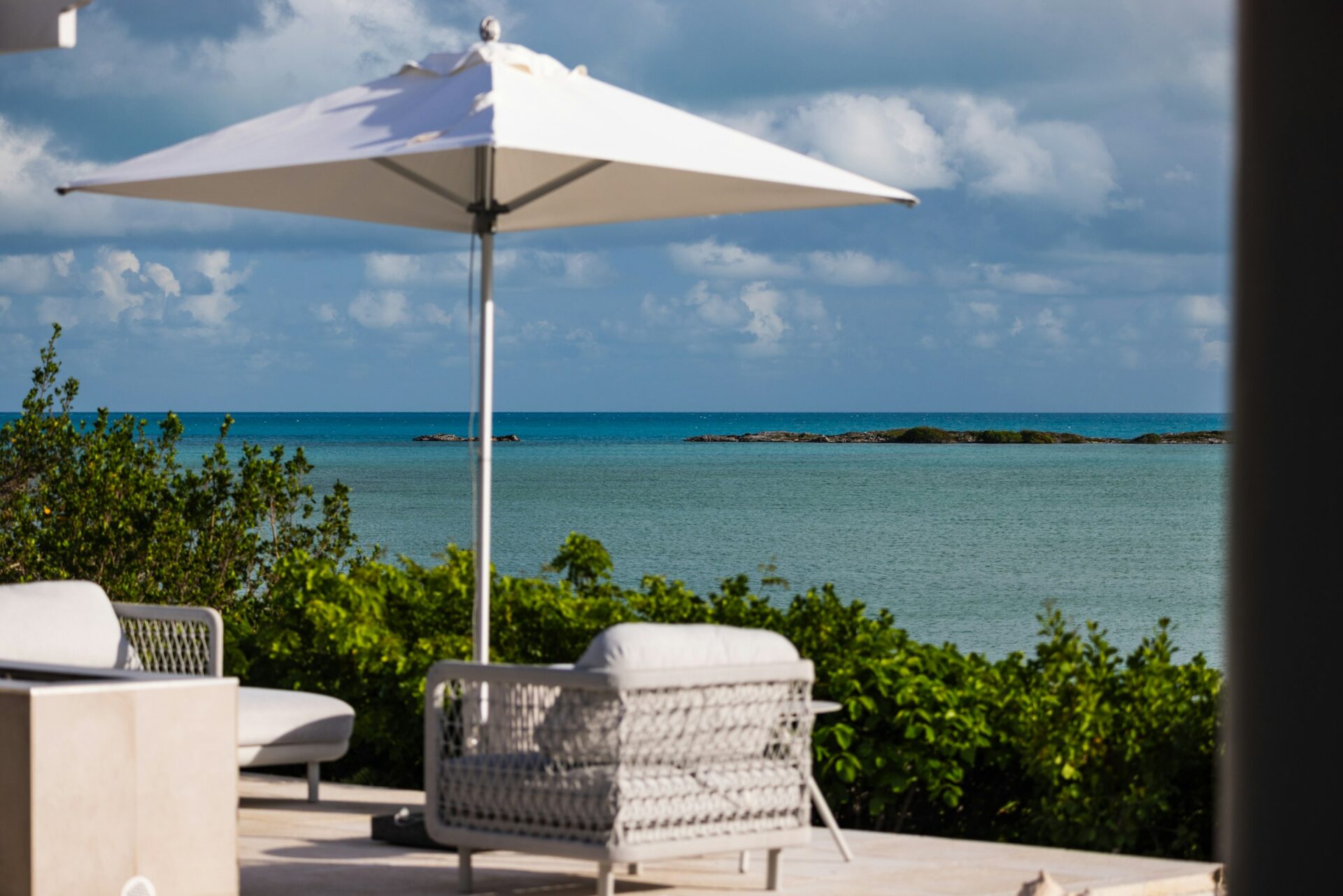
On a terrace, more than appearance counts. A smooth, honed or polished limestone can become slippery when wet. Outdoors, therefore, choose a textured finish.
Flamed gives a lively, rough surface. Bush-hammered looks classic and slightly lighter in tone. Aged has softened edges and a weathered character, lovely in country gardens. All three offer more grip than a smooth surface, without the stone losing its natural beauty.
- Flamed: rough and lively
- Bush-hammered: classic and matt
- Aged: soft and weathered
From sample to terrace
- 01
Samples and advice
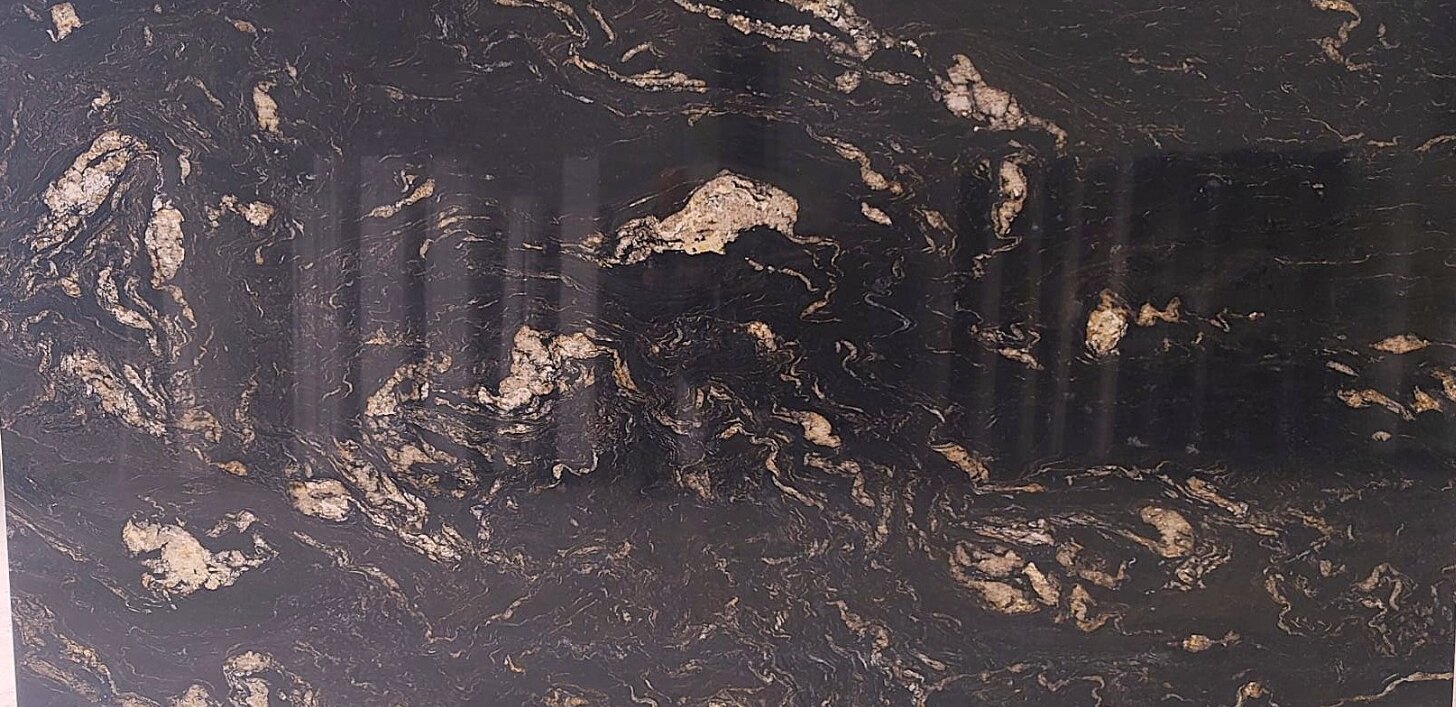
You receive samples of the stones and finishes you are considering. We help you decide what suits your garden, your home and the way you will use it.
- 02
Drawing and dimensions
Based on your garden design or your measurements, we work out the paving, steps, copings and edges.
- 03
Bespoke production
The stone is cut and finished according to the agreed dimensions and finish.
- 04
Delivery and installation
We deliver at the agreed time. Installation is discussed per project: by us, or in coordination with your landscaper or paving contractor.
Frost and limestone in the garden
Frost is an important consideration for natural stone outdoors, and honest advice begins with nuance. Limestone absorbs water to a greater or lesser degree. If that water freezes within the stone, it expands. How a stone responds differs per variety and also depends on the finish, the thickness and, above all, the way the terrace has been laid.
Good drainage is therefore at least as important as the choice of stone. Lay the terrace to a fall, provide a permeable or well-draining foundation and prevent water from standing under or on the paving for long periods. Do not use de-icing salt in winter: it can damage natural stone.
We do not quote general values for frost resistance. A technical data sheet is available on request for each stone, so that you and your landscaper or paving contractor can make the right choice for your garden and your situation.
Caring for a limestone patio
Over the years, a limestone patio acquires a patina. That is part of natural stone and gives a garden calm and character. With regular, gentle care, that patina stays beautiful and dirt is prevented from settling in.
Sweep away leaves, soil and blossom regularly: wet leaves in particular can leave stains. Clean with water, a soft brush and, if needed, a pH-neutral stone soap. Remove green growth in shady spots with a product expressly suitable for natural stone; test it first in an inconspicuous spot.
Be cautious with a pressure washer. Used too close and at high pressure, it can open up the surface, so that dirt and growth later adhere more readily. Avoid acidic cleaners. Impregnation limits the absorption of grease, oil and wine, particularly around the outdoor kitchen or barbecue. Renew that protection when water no longer beads on the stone.
Questions about a limestone patio
Is a limestone patio slippery in the rain?
That depends mainly on the finish. Honed or polished limestone can be slippery when wet, and we advise against it for outdoor floors. A flamed, bush-hammered or aged surface gives more grip. Even a rough terrace can become slippery if growth develops on it, so regular maintenance remains important.
Which limestone suits my garden?
Light, warm tones such as cream suit country and Mediterranean gardens and feel cooler in the sun. Blue-grey and dark varieties suit crisp, modern architecture. Consider the facade and the planting too: the stone should tie everything together. Lay samples outside and view them both dry and wet.
How thick should terrace paving be?
That depends on the format, the sub-base and the load. A terrace that is only walked on makes different demands from a driveway. We advise on format and thickness per project, in coordination with the landscaper or paving contractor laying the foundation. The technical data for the stone can be found in the technical data sheet.
Can the same stone continue indoors?
Often, yes. By choosing a smoother finish indoors and a more slip-resistant finish outdoors in the same limestone, the floor continues visually while each zone gets the right properties. Pay attention to the transition: a threshold or drainage channel at the glazing is often technically necessary. We help with the detailing, so that the line still remains calm.

Your terrace in limestone
Request samples and view them outdoors, dry and wet. Or discuss your garden design with us.