Skip to content
Finishes

The finish makes the stone

Gloss or matt, smooth or rough: natural stone finishes determine how marble and limestone catch the light, feel to the touch and age.
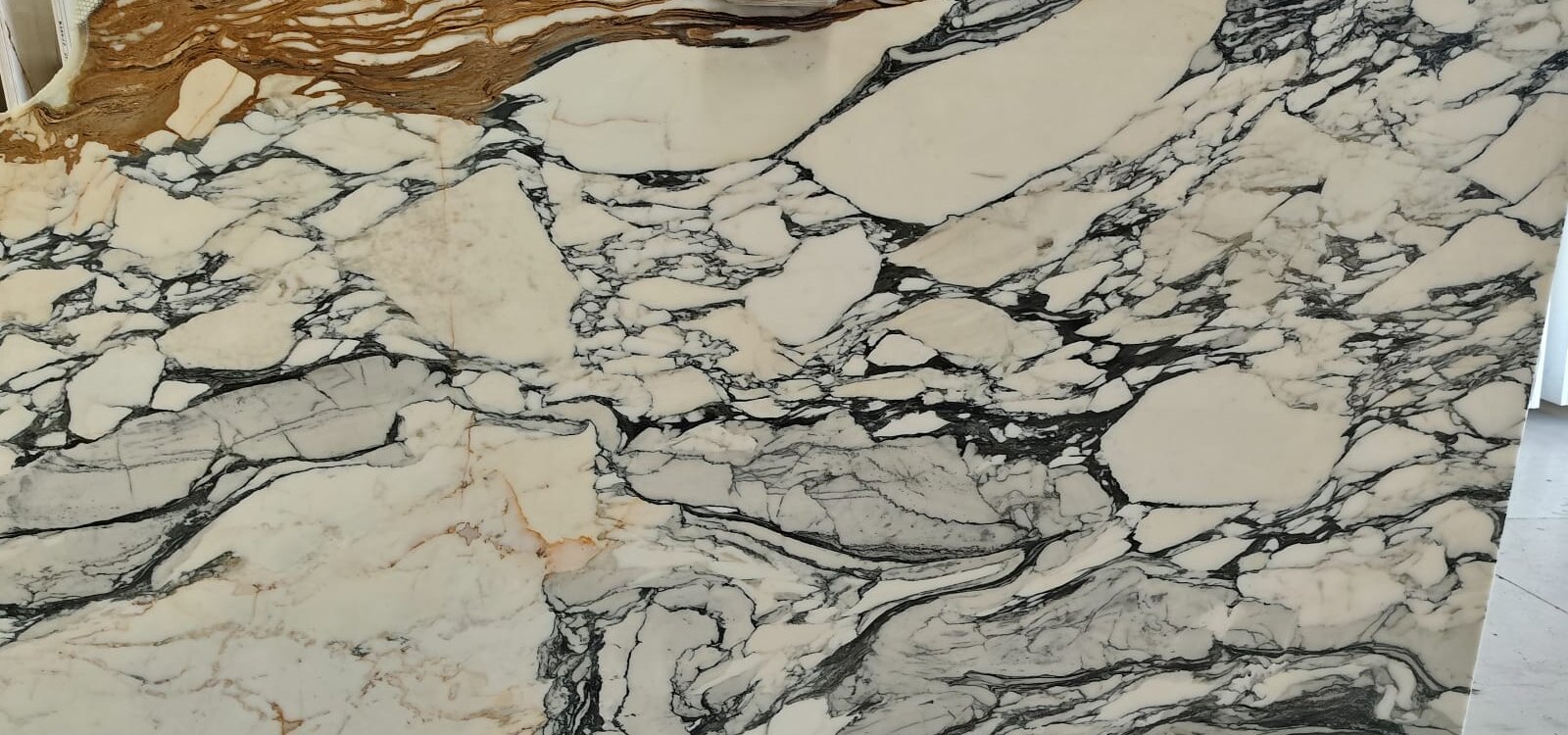
One block, many faces

The same stone can mirror like still water or feel like old leather. The difference lies in the final treatment.

Natural stone finishes compared

An overview of the most widely used finishes. Not every finish is possible or sensible for every stone; we advise per stone and per application.

FinishAppearanceSuitable forCare
PolishedHigh gloss, deep colour, veining at its most visibleWalls, furniture, table tops, bathroom wallsEtch marks and scratches show sooner; slippery on floors when wet
HonedMatt to satin-matt, smooth and calmIndoor floors, worktops, bathroomsMarks less visible; impregnate well against stains
BrushedGentle relief, soft sheen, natural textureFloors, staircases, bathroomsConceals signs of use; clean the relief regularly
Leathered (honed and brushed)Satiny, gently undulating, leather-like to the touchWorktops, washbasins, furnitureForgiving of fingerprints and etch marks
Bush-hammeredFinely hammered, matt, slightly lighter in toneTerraces, stair treads, facades, plinthsSlip-resistant; brush dirt out of the texture with water
FlamedRough, lively surface created by heatTerraces, pool surrounds, outdoor stepsGood grip; brush periodically against growth
Aged / tumbledSoftened edges, weathered, antique characterCountry interiors, terraces, garden pathsVery forgiving; impregnation recommended
SandblastedEvenly matt and fine-grained, slightly roughFacades, outdoor floors, slip-resistant indoor floorsMore open surface; impregnate against stains
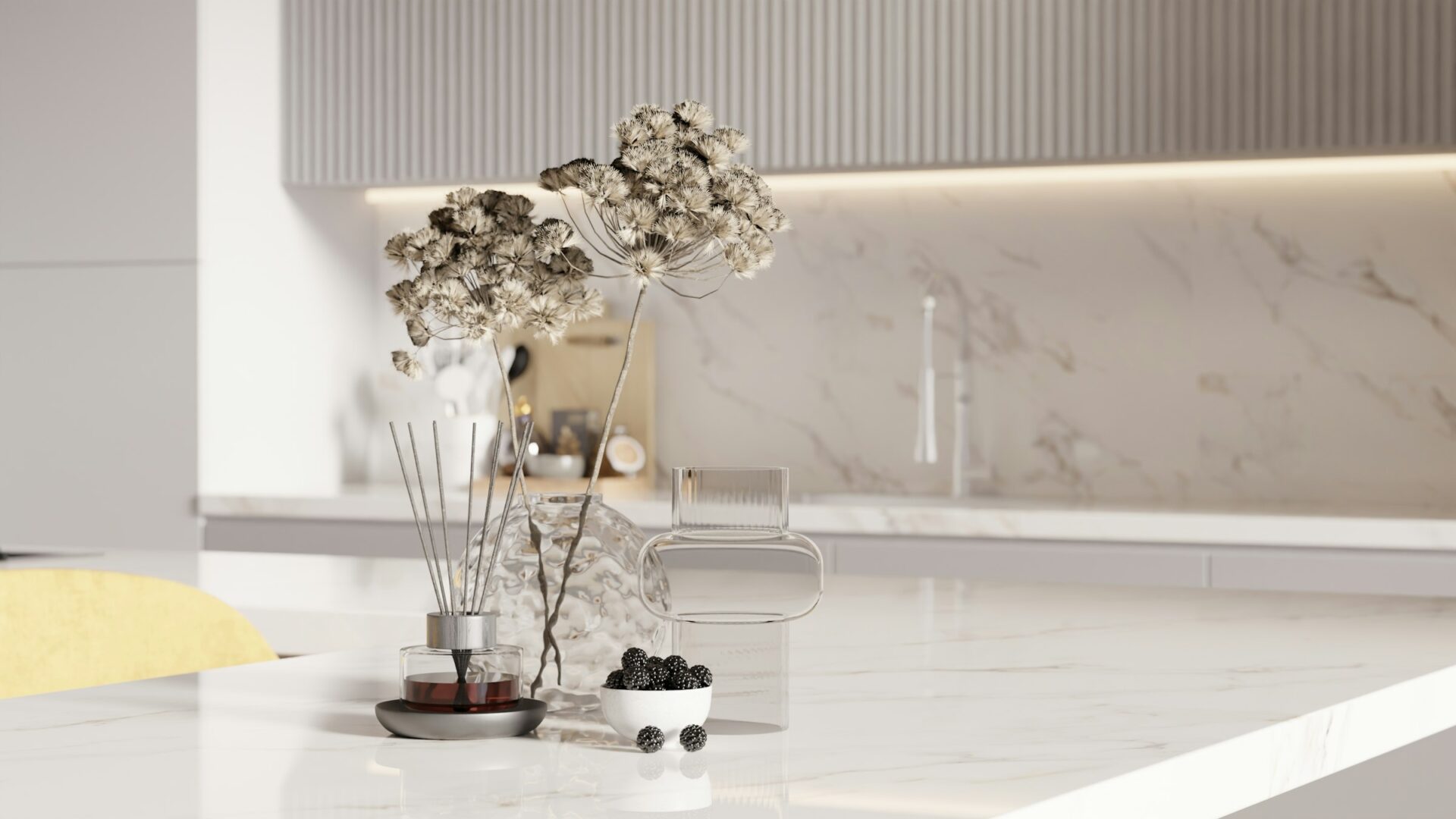
Detail of a white marble worktop with dried flowers
Indoors

Gloss or matt at home

Indoors, the choice often comes down to gloss or matt. Polished marble is at its finest on walls and furniture: the colour is deeper and the veins are sharply drawn. On a worktop or floor, acids and scratches leave their mark more quickly.

Honed and leathered finishes make marble softer and more honest in use. Etch marks still occur, as marble remains calcareous, but they are less noticeable and blend into the patina. For a kitchen in intensive use, that is often the calmest choice.
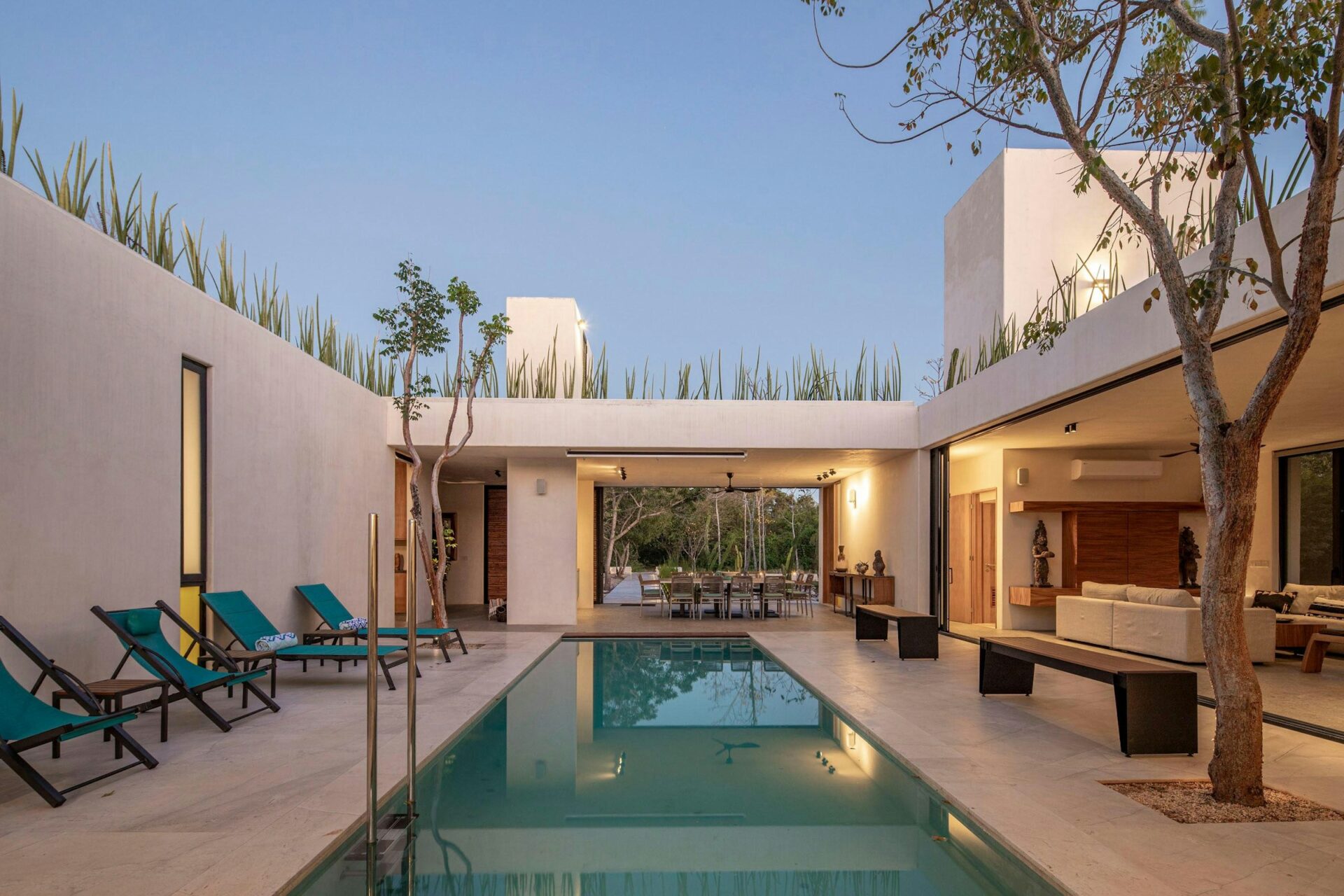
Villa with courtyard, swimming pool and terrace in light natural stone
Outdoors

Grip and character for outdoors

Outdoors, we work with limestone and choose a textured finish. Bush-hammered, flamed and aged make the surface more slip-resistant than a smooth stone and give it a lively texture in raking light.

Flamed and brushed is a middle way: the rough, flamed surface is then brushed, so that it feels softer under bare feet yet keeps its grip. Lovely around a pool or on a terrace that sees frequent use.
Choosing

Five questions to guide your choice

A good finish starts with use. These questions will help you on your way.

  1. 01

    Where will the stone go?

    Indoors or outdoors, floor or wall. A polished wall calls for something different from a terrace or a shower floor.

  2. 02

    How intensively will it be used?

    A worktop or hallway has more to endure than wall cladding. The more intensive the use, the more a matt or textured finish pays off.

  3. 03

    How does the light fall?

    Raking daylight emphasises texture, while artificial light reflects off a polished surface. View samples in situ.

  4. 04

    How much patina will you accept?

    Marble lives with you. If you appreciate signs of use, you can confidently choose polished; if you want visual calm, choose matt.

  5. 05

    Would you like to combine?

    The same stone in two finishes, such as polished walls and a honed floor, creates coherence with a subtle contrast.

FAQ

Questions about finishes

Can a finish be changed later?

In many cases, yes. Marble can be reground by a specialist company and polished or honed again, for example to remove etch marks and scratches. Going from polished to matt is generally simpler than the reverse. Rough finishes such as bush-hammered or flamed cannot simply be returned to a smooth surface.

What is the difference between honed and leathered?

Honed is flat and matt to satin-matt: the surface is smooth and calm. Leathered goes a step further. After honing, the stone is brushed, creating a gently undulating relief with a satiny sheen and a feel like supple leather. Leathered conceals fingerprints and small marks even better.

Which finish is least slippery?

Bush-hammered, flamed and sandblasted generally give the most grip, followed by aged and brushed. Polished is the most slippery when wet. Besides the finish, slip resistance also depends on the stone and on maintenance: even a rough floor can become slippery through growth or soap residue. Technical data per stone are available on request.

Does impregnation protect against etch marks?

No. An impregnator penetrates the stone and limits the absorption of water, oil and other staining agents. It does not protect against acids: lemon juice, vinegar or wine react with the lime in marble and limestone and leave a dull mark. Impregnation therefore remains worthwhile, but it is no substitute for careful use.

Can I request samples in different finishes?

Yes, and we recommend it. The same stone can look surprisingly different in a polished and a matt version, both in colour and in veining. Indicate in your request which stones and finishes you are considering; we will then put together a suitable selection, insofar as the combination is available.

Feel the difference

Request samples in the finishes you are considering and compare them side by side, in daylight and under artificial light.